Welcome to Kuala Lumpur
Kuala Lumpur isn't just a city—it's a living museum of Malaysian food culture. Here, Malay, Chinese, and Indian traditions have mixed for over 150 years, creating one of the world's most diverse and delicious food scenes.
Top Experiences in Kuala Lumpur
View All →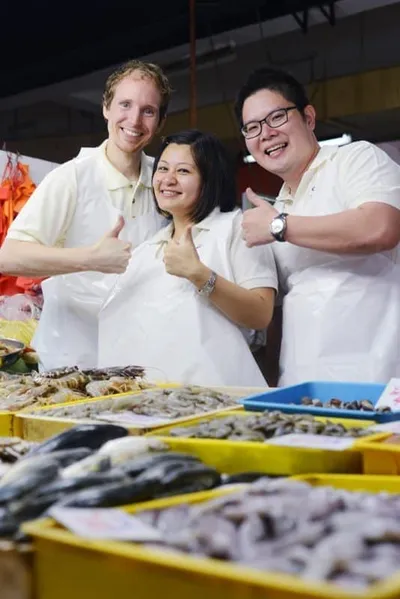

Understanding Kuala Lumpur's Food Culture
The Three Main Food Cultures
Malay Cuisine
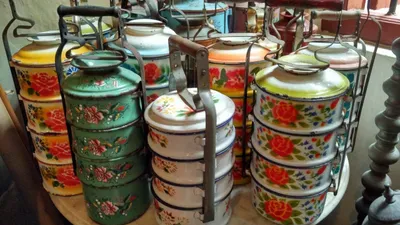
Malay food is the heart of Malaysian cooking—rich, aromatic, and built on a foundation of coconut, chili, and aromatics like lemongrass, galangal, and kaffir lime. Cooking techniques passed down through generations involve slow-cooked curries, sambal made fresh daily, and the art of balancing sweet, sour, salty, and spicy in every dish.
- Nasi Lemak (coconut rice with sambal, anchovies, peanuts, egg)
- Rendang (slow-cooked spiced meat curry)
- Satay (grilled meat skewers with peanut sauce)
Chinese Malaysian Cuisine
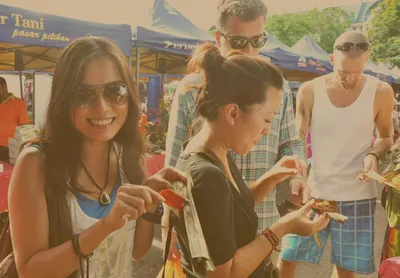
Chinese immigrants—primarily Hokkien, Cantonese, and Hakka—didn't just bring their regional cuisines to Malaysia; they adapted them. Local ingredients like pandan leaves, belacan (shrimp paste), and tropical fruits merged with traditional Chinese cooking techniques. The result is Chinese Malaysian food: familiar yet distinctly local.
- Char Kway Teow (wok-fried flat rice noodles)
- Hokkien Mee (prawn noodles in rich broth)
- Bak Kut Teh (pork rib soup with herbs)
Indian Malaysian Cuisine
Indian Malaysians—both Hindu Tamils from South India and Muslim immigrants from North India—brought vastly different cooking traditions. Tamil cuisine features vegetarian dishes, rice-based meals, and dosai. North Indian Muslim (Mamak) food centers on roti, tandoori breads, and rich curries. Both evolved with local ingredients and Malaysian tastes.
- Roti Canai (flaky flatbread with curry)
- Banana Leaf Rice (South Indian thali-style meal)
- Murtabak (stuffed savory pancake)
Must-Try Signature Dishes
Nasi Lemak
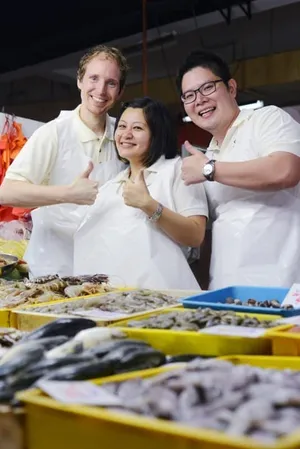
Malaysia's unofficial national dish. Fragrant rice cooked in coconut milk and pandan, served with sambal (chili paste), crispy anchovies, roasted peanuts, cucumber, and a hard-boiled egg. Vendors add their own twist—fried chicken, rendang, sambal squid.
Char Kway Teow
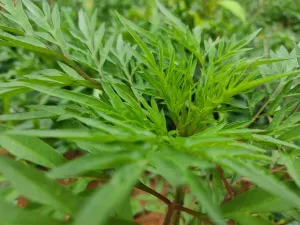
Flat rice noodles stir-fried over intense heat (wok hei) with prawns, cockles, Chinese sausage, bean sprouts, egg, and dark soy sauce. The key is the smoky, slightly charred flavor from a scorching hot wok.

Roti Canai
VegImpossibly flaky, crispy-on-the-outside, soft-on-the-inside flatbread served with curry (dhal or chicken). Watching a mamak chef spin and flip the dough is half the experience.
Hokkien Mee
Thick yellow noodles braised in a rich, dark broth made from prawn heads, pork bones, and soy sauce. Topped with prawns, pork, squid, crispy pork lard, and sambal on the side.
Banana Leaf Rice
VegSouth Indian vegetarian or mixed rice meal served on a banana leaf. Unlimited white rice, various vegetable curries, rasam, papadum, and pickles. Add fried fish or chicken if desired.
Bak Kut Teh
Pork rib soup simmered for hours with garlic, star anise, cinnamon, and Chinese herbs. Served with rice, youtiao (fried dough), and Chinese tea. Controversial name means 'meat bone tea' despite having no tea in the soup.
Best Food Neighborhoods

Chow Kit
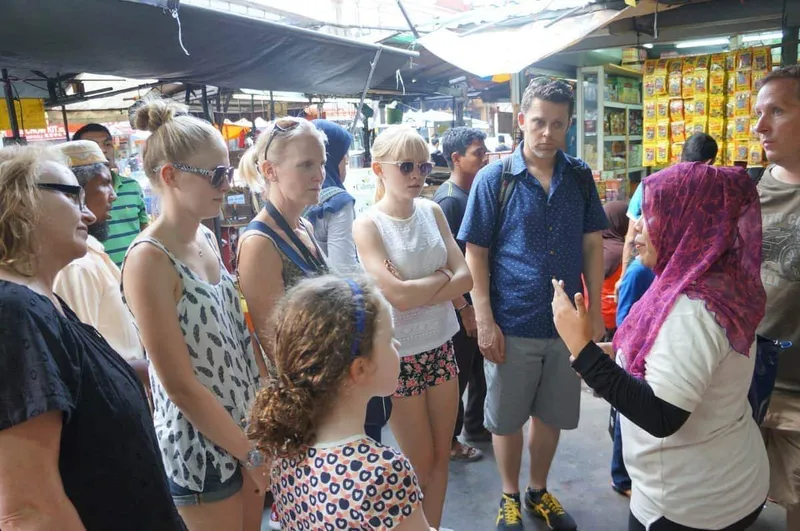
KL's largest and most authentic wet market. This is where locals shop for fresh produce, spices, meat, and seafood. The surrounding area is filled with Malay and Indonesian food stalls, kopitiams, and the energy of a working-class neighborhood that hasn't been gentrified.

Petaling Street (Chinatown)
Beyond the tourist souvenir shops, Chinatown is where KL's Chinese food heritage lives. Century-old kopitiams serve traditional breakfast, family-run dim sum shops open before dawn, and hawker stalls cook recipes passed down through four generations.
Brickfields (Little India)
KL's Indian quarter is a sensory overload in the best way—vibrant sari shops, the smell of curry spices, Tamil music playing, and banana leaf restaurants serving unlimited rice. This is where the South Indian Tamil community has created a slice of India in Malaysia.
Jalan Alor
When the sun sets, Jalan Alor transforms into KL's most famous street food strip. Hundreds of plastic tables spill onto the street, hawkers grill satay over charcoal, and the air fills with the aroma of char kway teow, hokkien mee, and BBQ seafood.
Insider Tips for Kuala Lumpur
We take you to the places where locals actually eat—wet markets, hawker stalls, family-run kopitiams. You'll taste traditional Malaysian dishes made the way they've been made for generations.
You'll learn why roti canai is an Indian Muslim dish, how Nyonya cuisine came to be, and what makes Malaysian Chinese food different from food in China. Every dish has a story.
You'll have plenty of opportunity to ask questions, chat with your guide, and actually hear the stories being shared.
Our guides are sharing their culture, their neighborhoods, and often their family's food traditions. This personal connection transforms a tour into a genuine cultural exchange.
Meet Your Food Heritage Guides

Aisha Rahman
Aisha is Kuala Lumpur's foremost authority on Malay culinary anthropology, with over 15 years of experience documenting traditional food practices. Born in Kampung Baru and holding a degree in Cultural Anthropology from University of Malaya, she is frequently consulted by food researchers studying Malaysian cuisine. Her family recipes date back four generations and have been featured in culinary publications.
Wei Chen
Wei Chen is a third-generation kopitiam owner and recognized expert on Chinese Malaysian food evolution. His family's Petaling Street establishment, founded in 1958, is considered one of KL's cultural heritage sites. Wei Chen has spent over 20 years studying the fusion of Chinese cooking techniques with Malaysian ingredients, making him the most knowledgeable guide on Chinese Malaysian culinary traditions.
Priya Krishnan
Priya is the leading expert on Indian Malaysian cuisine adaptation and vegetarian Malaysian cooking. Growing up in her family's acclaimed Brickfields banana leaf restaurant, established in 1972, she has dedicated her life to preserving and teaching the evolution of South Indian cuisine in Malaysia. She is regularly consulted by chefs and restaurants seeking authentic Malaysian Indian recipes and techniques.
All Kuala Lumpur Experiences
What Our Guests Say
"This wasn't just a food tour—it was a cultural education. Our guide explained the history behind every dish, took us to her family's favorite market stalls, and helped us understand why Malaysian food culture is so special. The food was phenomenal, but the context made it unforgettable."
"Best food tour I've ever taken. The wet market experience was eye-opening—I finally understood where all those ingredients I see in Malaysian restaurants come from. And we ate at places I never would have found on my own. Worth every ringgit."
"Our guide was incredible. She grew up in KL and shared stories about her childhood, her grandmother's recipes, and why certain foods are important to Malay culture. The char kway teow we had was the best I've ever tasted. This tour made me fall in love with KL."
Frequently Asked Questions
How much food is included? Will I be hungry afterwards?
You'll taste 8-12 different dishes depending on the tour—more than enough for a full meal. Most guests say they're comfortably full by the end.
I'm vegetarian. Can you accommodate me?
Absolutely! Malaysia has excellent vegetarian options across all three cultures. Just let us know when booking. (Note: nut allergies are challenging as peanuts are common in Malaysian cooking.)
What's the group size?
Maximum 8 people. Most tours have 4-6 guests. We keep groups small so everyone can interact with the guide and ask questions.
What if it rains?
Many of our stops are covered or indoors. We provide umbrellas if needed. Brief tropical showers are part of the authentic KL experience!
Is this suitable for children?
Yes! Malaysian food culture is very family-oriented. Children should be comfortable walking and standing for 3-4 hours.
How much walking?
2-3 km at a leisurely pace with plenty of food stops. Comfortable shoes recommended. This isn't a fitness activity—it's a relaxed food exploration.
Do I need cash?
All food and drinks are included in your booking price. Bring cash (MYR) if you want to buy souvenirs at markets or extra snacks.
What makes Simply Enak different?
Our guides are locals sharing their culture, not actors reading scripts. We go to authentic spots where locals eat, not tourist traps. Small groups mean personal attention. And we focus on cultural context—you'll understand why the food matters, not just taste it.