
Welcome to Penang (Georgetown)
Georgetown's food scene earned UNESCO recognition not by accident, but through generations of families perfecting their recipes. Hokkien, Teochew, and Peranakan communities created dishes you can't find anywhere else.
Top Experiences in Penang (Georgetown)
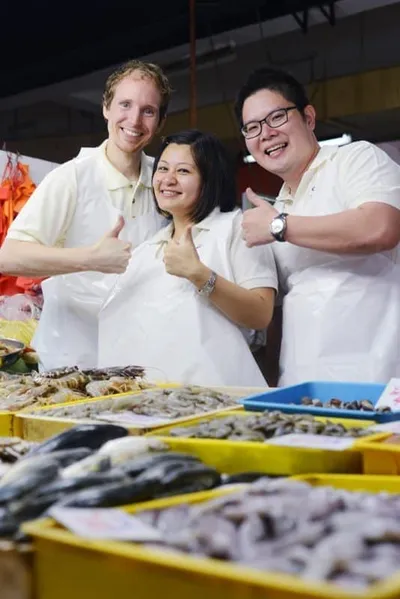

A UNESCO-Recognized Food Heritage
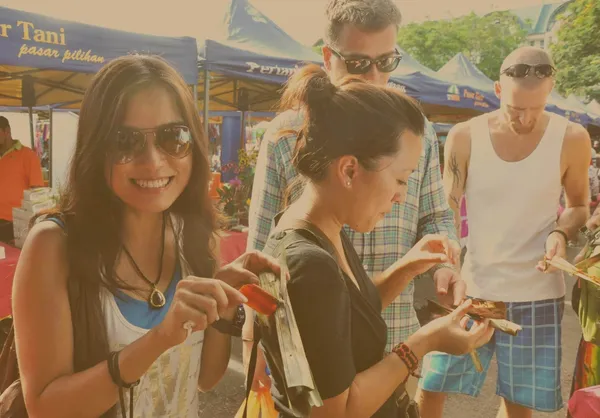
The Main Food Cultures
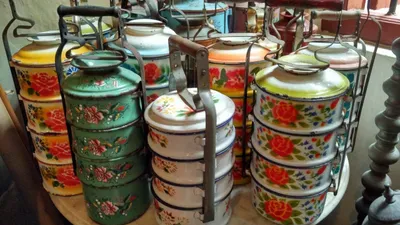
Hokkien Cuisine
The dominant Chinese dialect group in Penang, Hokkien immigrants created some of the island's most iconic dishes. Their cooking emphasizes seafood, pork, and the art of wok hei—that smoky, charred flavor from high-heat cooking.
- Char Kway Teow
- Hokkien Mee
- Lor Bak
Peranakan (Nyonya) Cuisine
Born from marriages between Chinese men and Malay women, Peranakan culture created Nyonya cuisine—a unique fusion that uses Chinese techniques with Malay spices. It's elaborate, time-intensive, and deeply connected to family traditions.
- Assam Laksa
- Nyonya Laksa
- Pie Tee
Indian Malaysian Cuisine
Penang's Indian community, primarily Tamil, brought South Indian flavors that evolved into something distinctly Penang. Banana leaf rice, nasi kandar, and roti canai are daily staples.
- Nasi Kandar
- Roti Canai
- Murtabak
Must-Try Signature Dishes
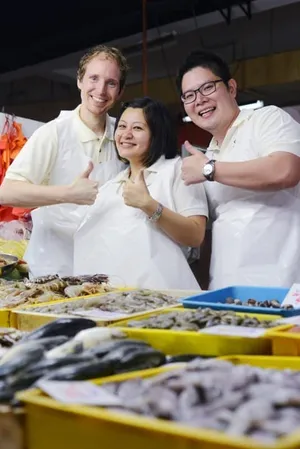
Char Kway Teow
Flat rice noodles stir-fried over intense heat with prawns, cockles, Chinese sausage, bean sprouts, and egg. The secret is wok hei—that smoky flavor you can only get from a well-seasoned wok over charcoal.

Assam Laksa
Penang's most famous dish. Rice noodles in a sour, spicy fish broth made with tamarind, lemongrass, and torch ginger. Topped with mint, pineapple, onions, and shrimp paste. It's an acquired taste that becomes an obsession.
Hokkien Mee
Prawn noodle soup with a rich, sweet broth made from prawn heads and pork bones. Served with yellow noodles, rice noodles, prawns, pork, and kangkung. Penang's version is completely different from KL's.
Nasi Kandar
Steamed rice served with a variety of curries and side dishes. You choose what you want, and the vendor mixes the gravies over your rice. It's messy, flavorful, and utterly addictive.
Best Food Neighborhoods
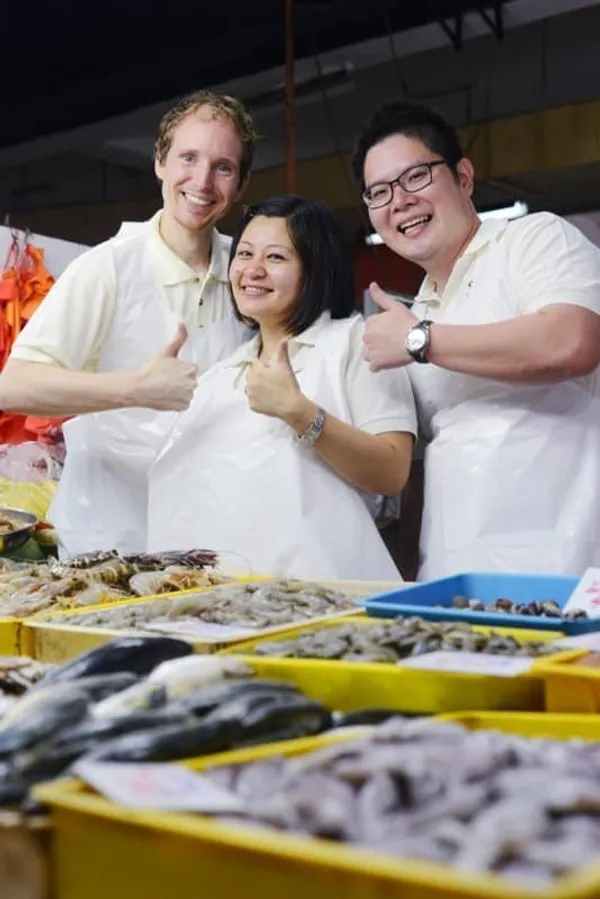
Georgetown Heritage Zone
The heart of Penang's food culture. Pre-war shophouses hide family-run kopitiams, hawker stalls that have been in the same spot for 70 years, and street food vendors who start cooking at dawn.

Gurney Drive
Penang's most famous hawker center strip. Dozens of stalls serving everything from satay to cendol, all facing the sea. It's touristy, but locals still eat here because the food is good.
Air Itam
A local neighborhood known for the best assam laksa on the island. Less touristy, more residential, and home to some of Penang's most beloved hawker stalls.
Frequently Asked Questions
What makes Penang's food different from KL?
Penang has a stronger Hokkien and Peranakan influence, and the food tends to be more intense in flavor. Dishes like char kway teow and assam laksa are Penang specialties that taste different (or don't exist) in KL.
How much walking is involved?
Tours involve 2-3 km of walking at a leisurely pace through Georgetown's heritage zone. Comfortable shoes are essential.
Can you accommodate dietary restrictions?
Yes! We regularly accommodate vegetarians, vegans, and food allergies. Penang has excellent vegetarian options due to the Buddhist community.