Tour Highlights
Why These Food Stories Matter
Kuala Lumpur is changing fast. Every year, more hawker stalls close, more wooden houses get demolished, more families sell their land to developers. The food heritage that made KL special is disappearing.
This tour takes you to the neighborhoods and vendors fighting to preserve their traditions. You'll meet Pak Hassan, whose family refused RM 800,000 to keep their nasi lemak stall. You'll walk through Kampung Baru, KL's last Malay village, surrounded by skyscrapers but frozen in time. You'll taste food from families who've been cooking the same recipes for three generations.

Meet Pak Hassan, 72
Pak Hassan's family started selling nasi lemak in Kampung Baru in 1957, the year Malaysia gained independence. His grandmother made the sambal in a massive granite mortar—no food processor, no shortcuts. The recipe hasn't changed. Neither has the wooden stall.
In 1995, developers offered his family RM 800,000 to sell the land. They refused. "This is our heritage," Pak Hassan says. "Money can't replace what my grandmother built." Today, his son wakes at 3 AM to prepare the same coconut rice, the same fried anchovies, the same sambal his great-grandmother made 67 years ago.
When we bring guests, Pak Hassan shares stories about Kampung Baru before the towers—when it was all wooden houses and cooking smoke, when neighbors shared food during Ramadan, when everyone knew everyone. He'll show you the old photos on his stall's wall. This is what developers wanted to erase.
What this means: We don't just visit vendors - we have relationships that give you access to stories, techniques, and personal histories most visitors never hear.
What Makes This Tour Special
This isn't a restaurant crawl. You'll see the tension between KL's modern skyline and the old neighborhoods fighting to survive—and taste why it matters.
Visit Kampung Baru's wooden houses where Malay families still cook traditional recipes
Meet Pak Hassan - 67 years of family nasi lemak, refused RM 800,000 to sell
Walk through Chow Kit Market at sunset when locals shop for dinner
Try hidden hawker stalls locals protect from tourist crowds
Taste 15+ dishes from families who turned down franchise offers
Small group (max 8) means you can ask questions and hear real stories
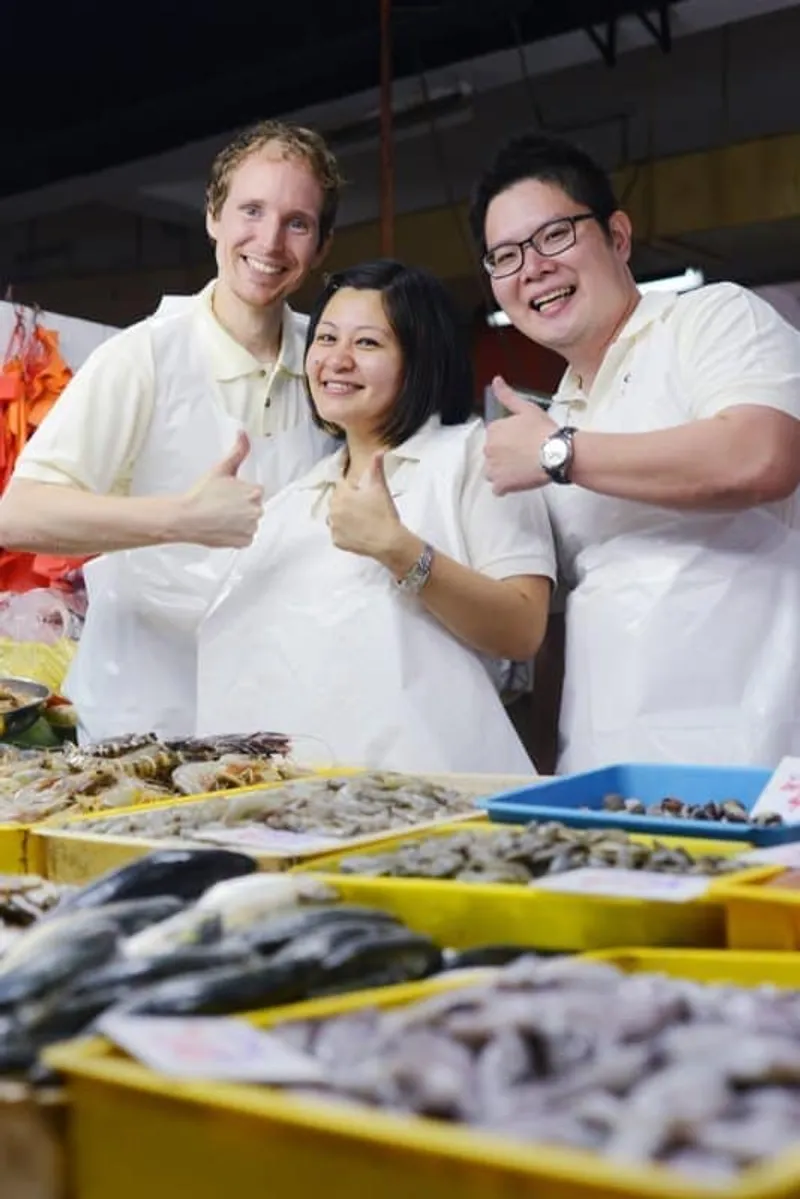
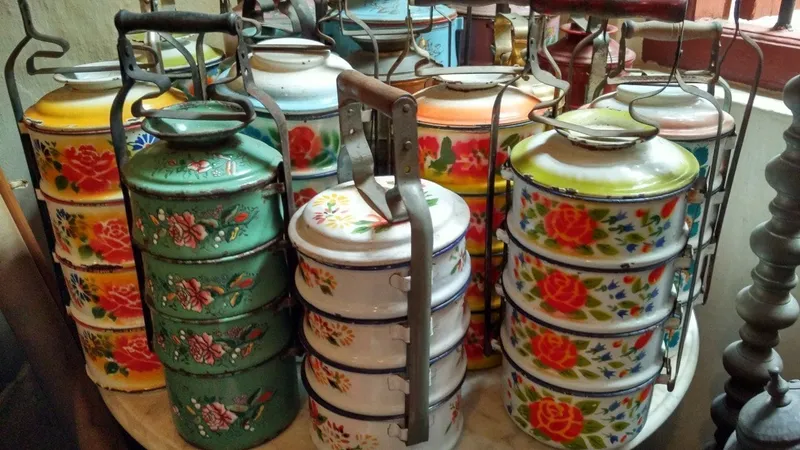
A Glimpse of the Experience
See what awaits you on the streets of Kuala Lumpur.



Your 4-Hour Journey
Chow Kit Market at Sunset
Meet at Chow Kit Market just as locals finish work and shop for dinner ingredients. Walk through the wet market with your guide—see spices, fresh produce, and ingredients you've never encountered. Learn why this market survives when so many others closed.
- Fresh sugarcane juice
- Traditional kuih from market vendors
Why it matters: Understand how wet markets preserve traditional food culture against supermarket expansion
Kampung Baru Village Walk
Enter Kampung Baru, KL's last Malay village, surrounded by skyscrapers but frozen in time. Walk wooden streets where families still cook on charcoal. Meet Pak Hassan at his nasi lemak stall and hear why his family refused developers. Taste nasi lemak unchanged since 1957.
- Pak Hassan's legendary nasi lemak
- Traditional kuih muih
- Teh tarik from old kopitiam
Why it matters: Learn why Kampung Baru is legally protected—and why developers still want it
Hidden Hawker Center
Your guide takes you to a hawker center tourists don't find—no English signs, no menu photos, just locals eating after work. Meet third-generation char kway teow vendor whose grandfather came from Penang. Watch the wok technique that creates 'wok hei' (breath of the wok).
- Char kway teow with proper wok hei
- Rojak buah (fruit salad with shrimp paste)
- Satay with homemade peanut sauce
- Cendol
Why it matters: Discover why hawker centers are UNESCO heritage—and why many are disappearing
Secret Night Market
As darkness falls, walk through a neighborhood night market (pasar malam) where locals shop for desserts and late-night snacks. Stop at stalls that have been here 30+ years—apam balik (peanut pancakes), traditional Chinese desserts, Malay kuih. Your guide shares recommendations for tomorrow.
- Apam balik (peanut pancake)
- Chinese herbal tea
- Kuih lapis (layer cake)
Why it matters: Learn how night markets rotate through neighborhoods—and why they're slowly disappearing
Reflection & Recommendations
End at a traditional kopitiam for closing reflections. Your guide shares contact details for vendors you met, recommendations for exploring KL independently, and stories about what's changing in the city. Leave with a list of hidden spots to explore on your own.
- Traditional Malaysian coffee/tea
- Final dessert surprise
Why it matters: Understand the economic pressures threatening traditional food culture—and what's being done to preserve it
What's Included
Not Included
Dietary Accommodations
- • Vegetarian versions available (many traditional vegetarian options in these neighborhoods)
- • Halal options throughout tour
- • Can work around mild allergies
- • Not suitable for severe nut allergies (many dishes use peanuts/nuts)
What to Expect
Evening Walking Tour
Light walking through neighborhoods (2-3 km total). Start before sunset, end after dark. Streets are well-lit and safe. Mostly flat terrain with frequent stops.
Where Locals Actually Eat
You'll eat where locals eat—wooden stalls, plastic chairs, ceiling fans. Kampung Baru and Chow Kit are raw neighborhoods—not polished tourist zones.
Living Cultural Tension
You'll see the contrast between KL's modern towers and old neighborhoods fighting to survive. This tour shows what's at stake when cities modernize.
Personal Stories
Meet vendors like Pak Hassan who resisted gentrification. Small groups mean real conversations about tradition, change, and what matters.
Frequently Asked Questions
Is this tour safe at night?
Yes! These are active residential neighborhoods where locals shop and eat every evening. Streets are well-lit, busy with families. Your guide knows these areas intimately and we stay in safe, populated locations throughout.
What should I bring?
Comfortable walking shoes, light clothing (evenings are warm), camera. Bring cash (some small vendors don't take cards). We provide bottled water.
Can vegetarians join this tour?
Absolutely! These traditional neighborhoods have excellent vegetarian options—Buddhist vegetarian stalls, South Indian vegetarian food, Malay vegetable dishes. Just mention dietary needs when booking.
Will I be too full?
We pace the food carefully—15+ dishes but moderate portions. Most guests finish comfortably satisfied. We adjust to your appetite as we go.
Why is this tour more expensive than other tours?
Evening tours cost more to operate (guide availability, night market timing, special vendor access). The price also reflects our relationships with families like Pak Hassan's—access to stories and locations tourists don't normally see.
What's the difference between this and your other KL tours?
This focuses on hidden neighborhoods (Kampung Baru, Chow Kit) and the tension between tradition and development. It's for people who want to see where KL locals actually eat—not just the famous spots.
Are children welcome?
Yes! Children 8+ usually enjoy the cultural stories and diverse foods. Younger kids welcome if they're comfortable with evening activities and new flavors. We can adjust spice levels.
What if it rains?
KL often has brief evening showers. Most locations have covered areas. If heavy rain, we adjust the route to covered spots. Tours rarely cancel due to weather.
What Our Guests Say
"I've lived in KL for 5 years and never knew Kampung Baru existed until this tour. Meeting Pak Hassan and hearing his family's story was incredible—how they refused to sell when developers offered huge money. This is the real KL most expats never see. Worth every ringgit."
"Best food tour we've ever done, anywhere. Our guide grew up in these neighborhoods and knew everyone—not just names, but real relationships. The contrast between the towers and traditional wooden houses was shocking. You can taste why these families refuse to change."
"Vegetarian-friendly and SO delicious! Every stop had amazing vegetarian versions. The guide's knowledge was impressive—she explained the history, the cultural significance, why certain neighborhoods are protected. Small group meant we could ask lots of questions."
Join the Conversation
Sarah Jenkins
October 15, 2023This looks absolutely amazing! I've been looking for a food tour that really goes deep into the culture. Can't wait to book this for my trip next month.
David Chen
November 2, 2023We did a similar tour last year and it was the highlight of our trip. The guide was so knowledgeable about the history of the dishes.
Leave a Comment
Your email address will not be published. Required fields are marked *